
02
——Solution 02 / 06 · Data Centers
Redundant, Scalable Power Architecture for Data Centers
In a data center, availability depends on how fast the system transfers sources and how deeply the architecture is made redundant. Kaiyue engineers dual-source distribution with ATS/STS and UPS interfaces, monitored end to end and phased for IT load growth.Availability is the only acceptable state.
Data center power distribution requires a defined source arrangement, load schedule and equipment boundary. Downtime is measured per minute, so the architecture has to absorb faults and transfer sources faster than failures can spread.
Continuous power requirements
Redundant power architecture
Fast power source transfer
Growing IT loads
Maintenance and expansion access
Real-time monitoring and fault warning
The engineering response, module by module.
Four modules move a data center from single-string dependency to monitored, phased redundancy.
01
RELIABILITY
High-reliability & uninterruptible power supply
Dual power sources, redundant distribution, ATS/STS and UPS systems are sized to critical load capacity, redundancy tier and continuity requirements. The result is improved fault tolerance: servers, storage and network equipment ride through power abnormalities, failures and transfer events with reduced single-point-failure exposure.
02
MONITORING
Power & environmental monitoring
Distribution equipment, UPS, batteries, temperature, humidity and water leakage are monitored centrally, with data acquisition, abnormal-condition alarms and visualized management. The system integrates with DCIM and BMS platforms to support energy management, fault analysis, equipment maintenance and capacity planning.
03
MODULAR
Modular & scalable distribution
The modular architecture is configured by IT load capacity, data hall areas and construction phase, with capacity reserved for expansion. Standardization simplifies deployment, maintenance and growth for phased construction and rising power demand.
04
DESIGN
Customized data center electrical design
Design starts from voltage levels, IT load capacity, redundancy architecture, facility layout and project-specific requirements. It covers equipment selection, main and downstream distribution, protection configuration, UPS and backup power interfaces, monitoring and communication systems, and expansion schemes — aligned with applicable standards and specifications.
Explore related equipment.
-
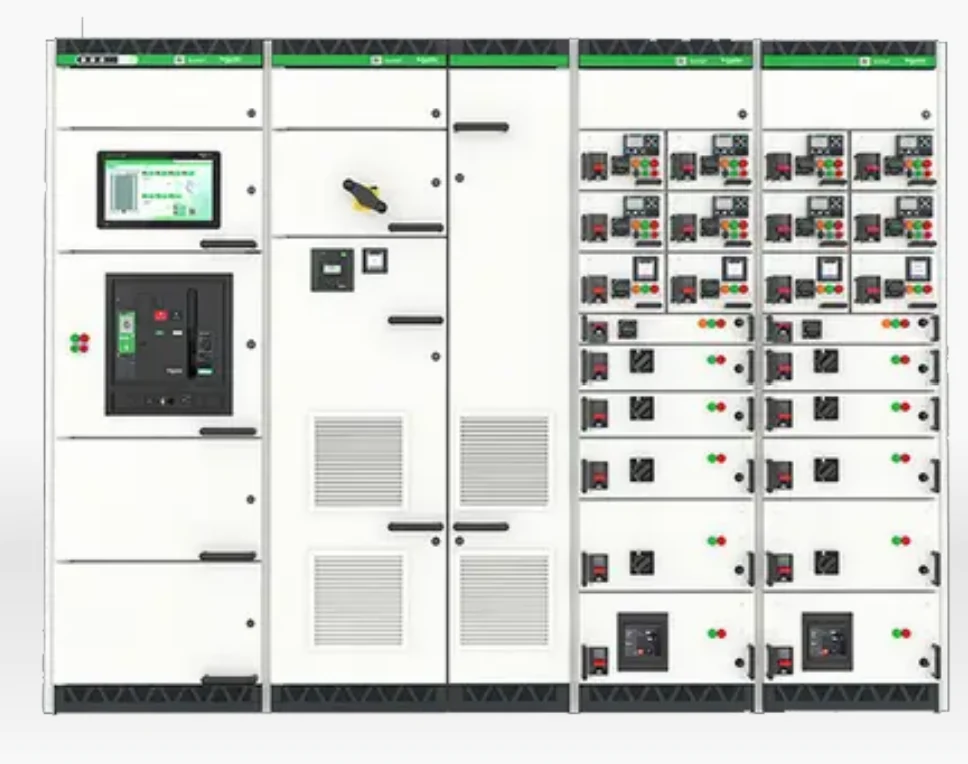
Blokset Low-Voltage Switchgear
-
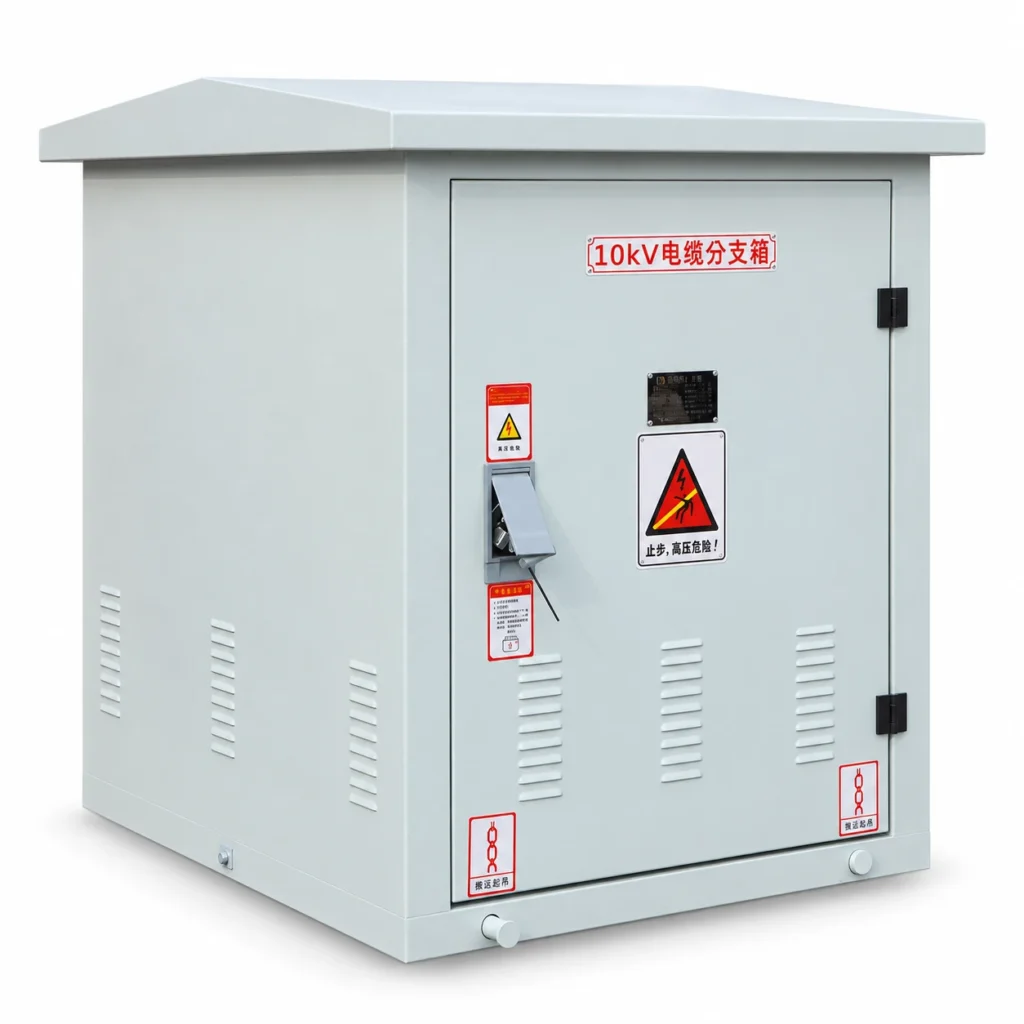
DFW2-12/630 Cable Branch Box
-
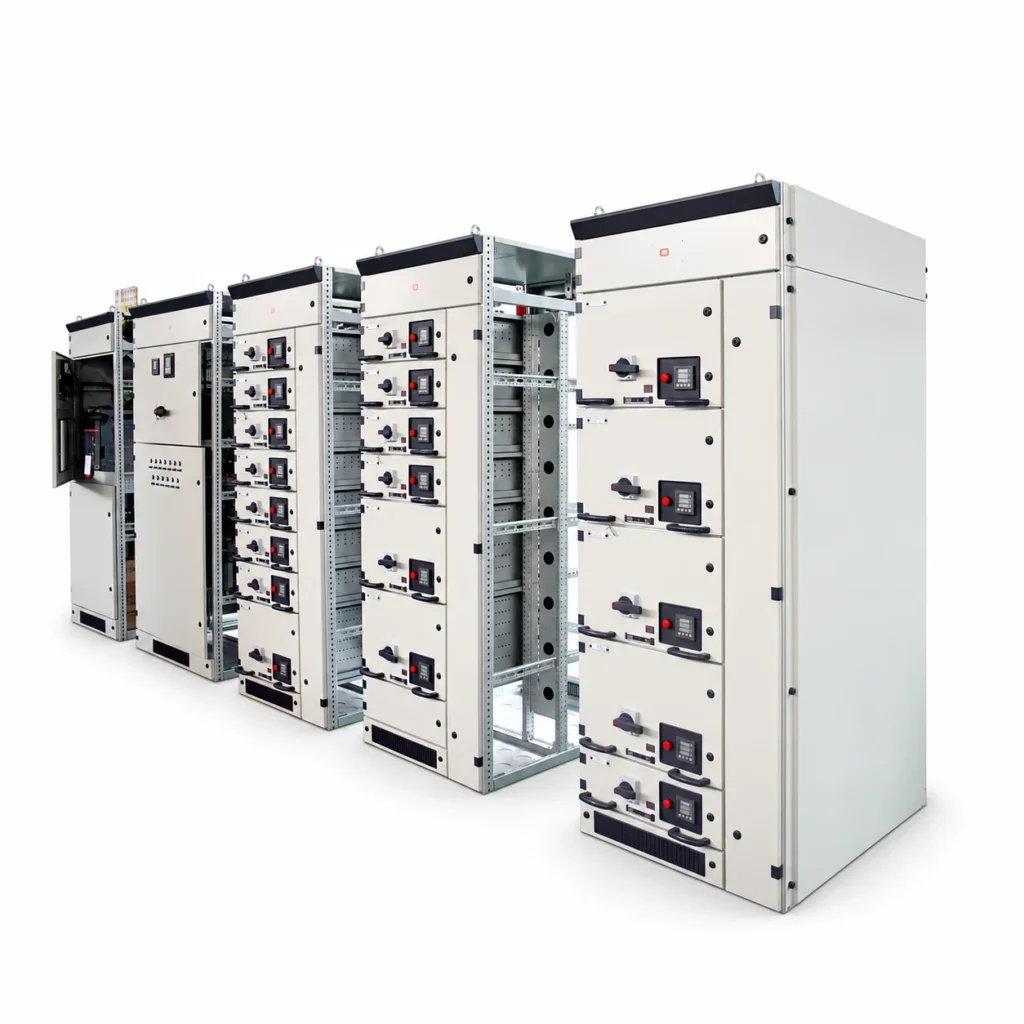
GCK-II Low-Voltage Withdrawable Switchgear
-
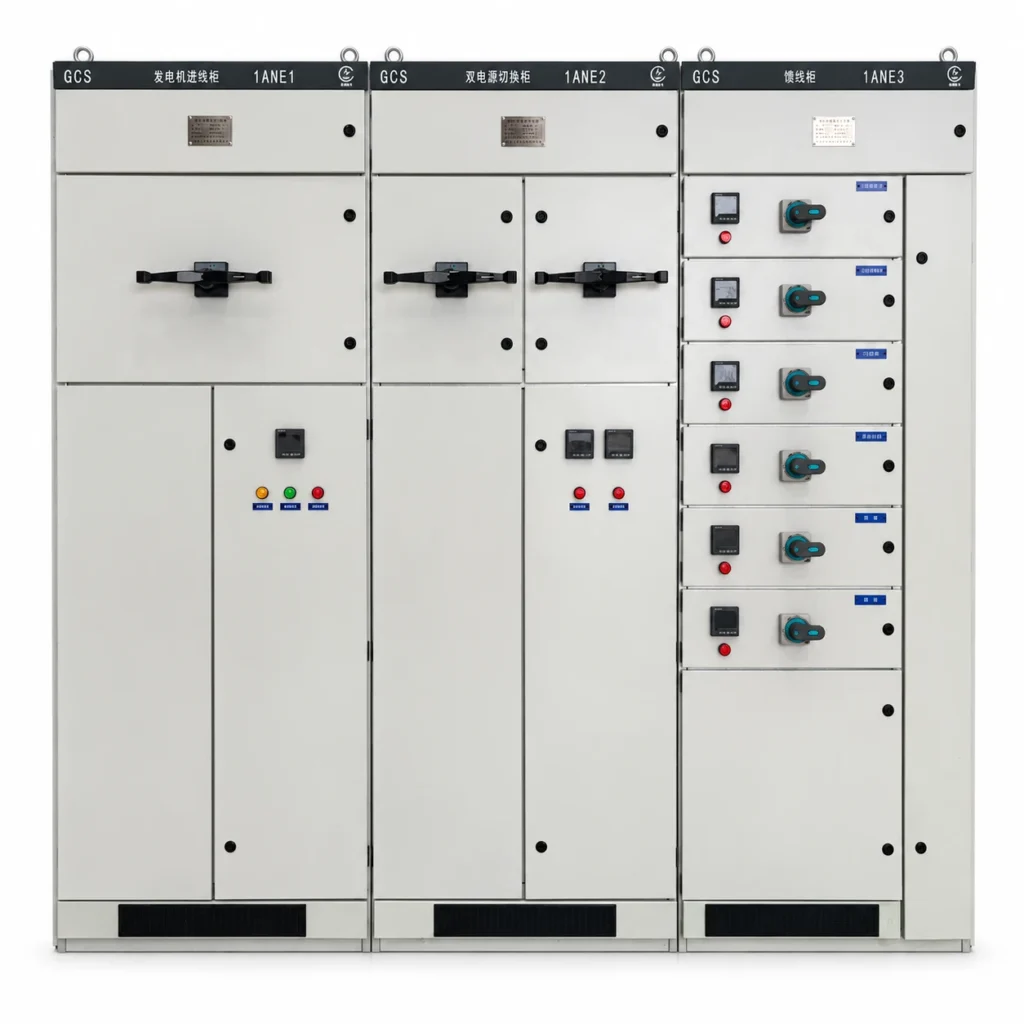
GCS-II Low-Voltage Withdrawable Switchgear
-
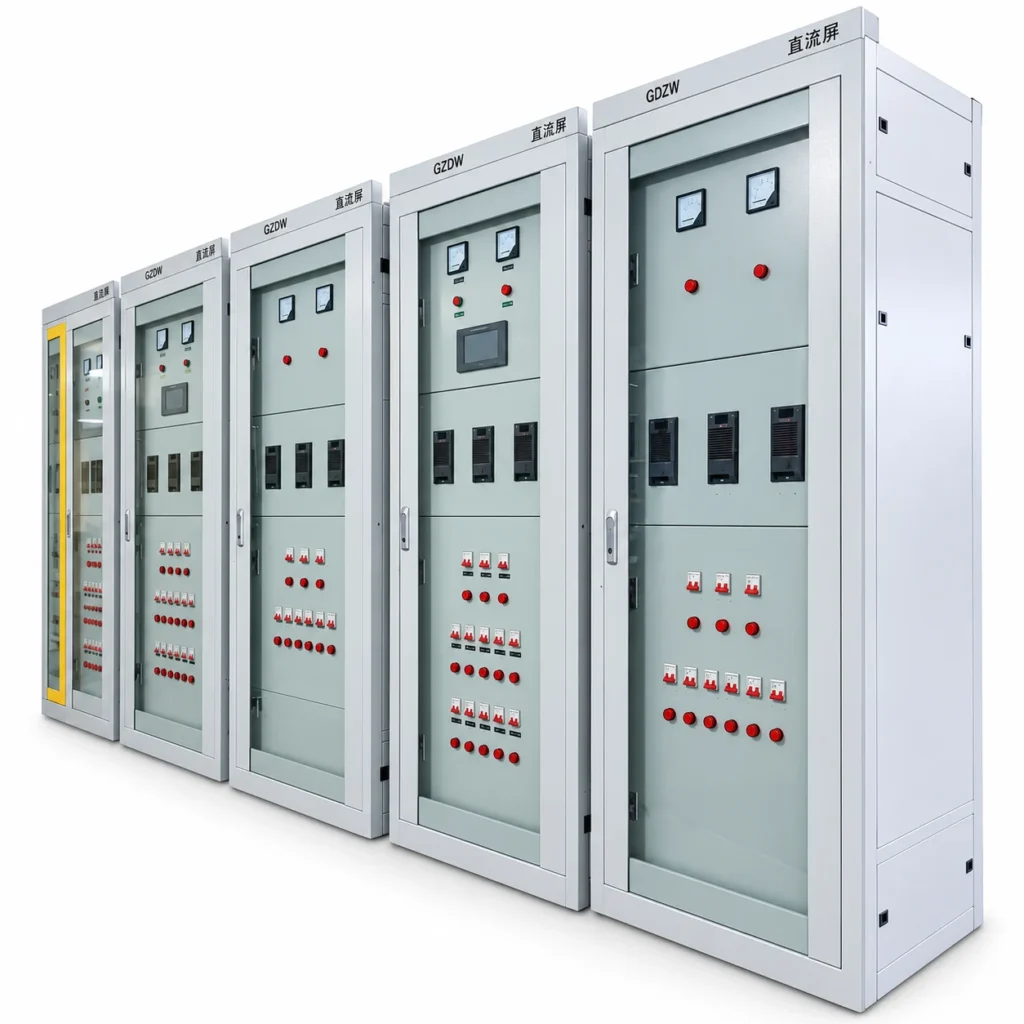
GDZW High-Frequency DC Power Supply Cabinet
-
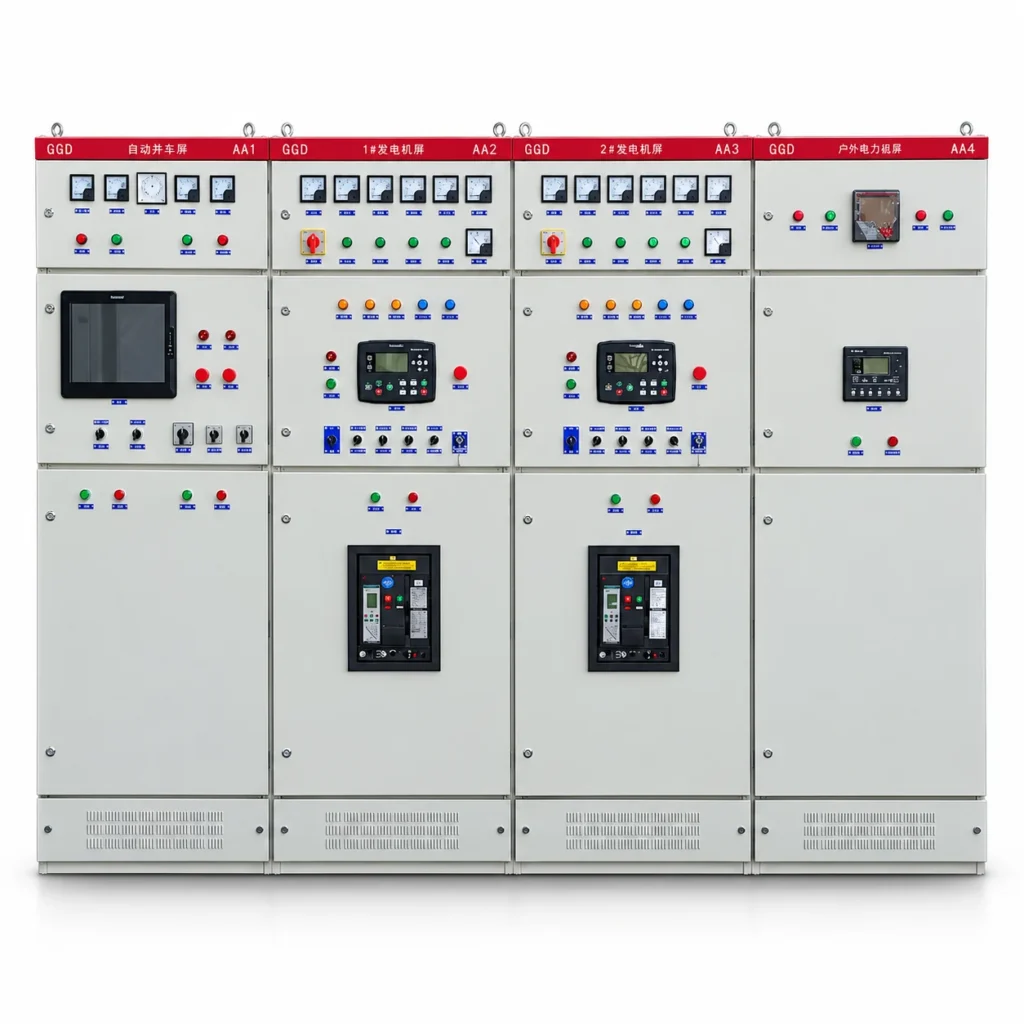
GGD Fixed Low-Voltage Switchgear
Prefer the on-site view? See this industry as an application scenario→
Define the redundancy tier. We’ll build the distribution beneath it.
Send your IT load capacity, construction phases and continuity targets — we’ll return a matching single-line architecture.